The Real Internet Is the One Nobody Is Posting In

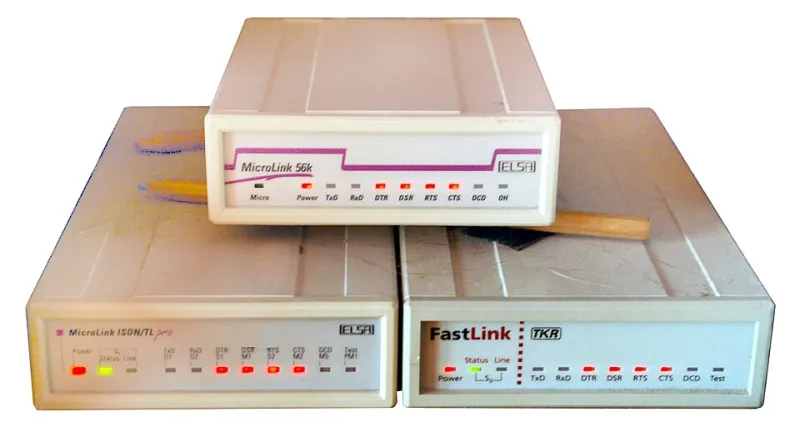
Photo: Pedro Ribeiro Simões from Lisboa, Portugal, CC BY 2.0, via Wikimedia Commons
I am writing this in a tab I will never comment in. I have read the thread three times. I know the regulars by their usernames. I have opinions. I will not share them. This is not a confession. It is a description of the normal internet, the one most of us actually use.
The 90% rule is a polite fiction
Every platform has a participation inequality problem. A small slice of users creates most of the content. A slightly larger slice comments and shares. The rest — the vast majority — read. They watch. They lurk.
We call it lurking because we do not have a better word, and because the internet was built by people who equate speaking with participating. But the 90% are not a fringe. They are the room. The loud internet is a tiny stage with a very big microphone.
Lurking is a choice, not a condition
Lurking gets treated like shyness, a phase you grow out of when you finally 'join the conversation.' That misreads it. For a lot of people, reading is the point. They are there for information, for company, for the ritual of checking in. They do not want to perform. They want to witness.
There is a pleasure in being a regular somewhere without a profile. You know the rhythms of a group chat even if you rarely type. You recognize a creator's voice. You have favorite commenters whose names you would never say out loud. You belong, quietly.
The loud internet is a minority sport
Feeds are designed to make posting look normal. They surface the loudest takes, the most shared posts, the biggest arguments. But the comment section is not the internet. It is the internet's front desk. Most people walk past it.
Platforms misread this constantly. They see engagement metrics and assume everyone wants to post. They add more prompts, more reply tools, more ways to be visible. The lurker sees all of it and retreats further. The product gets louder. The user gets quieter. The gap widens.
The places that let you belong without performing
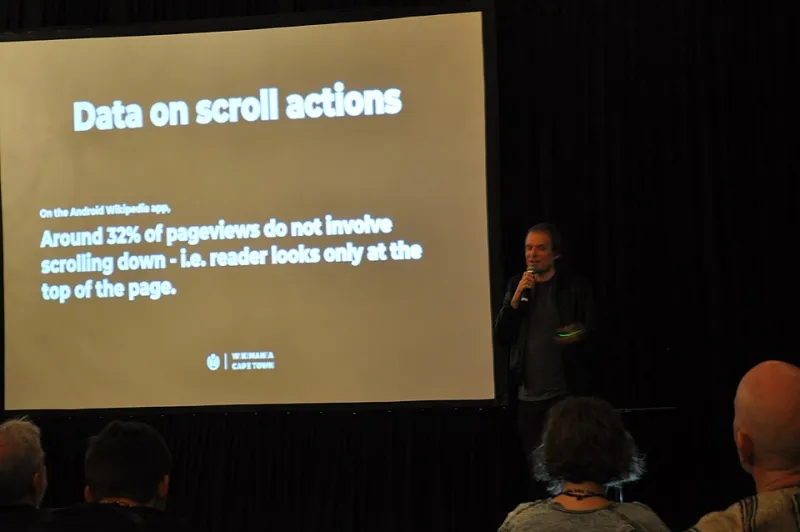
Some corners of the web already understand this. Group chats, newsletters, RSS readers, Wikipedia, read-only Reddit, Discord channels where nobody says anything for days, YouTube videos watched with the comments collapsed. These places feel calmer because they are not asking you to speak. They are asking you to stay.
There is a reason local Facebook groups and neighborhood apps have so many silent members. People want to know what is happening on their street. They do not want to introduce themselves. The information is the membership.
Why silence may be the next retention strategy
The cost of speaking online has gone up. Posts are permanent. Screenshots travel. Context collapses. A bad take can follow you for years. Meanwhile, the value of listening has not gone down. People still want to know, still want to feel connected, still want to be in the room.
A platform that respects silence — that lets you read without nagging you to react, that does not punish you for not posting, that treats presence as a valid form of participation — may keep users longer than the one that demands a performance every day. Quiet is not a lack of engagement. It is a different kind.
Membership without a receipt
You can love a place and never post in it. You can check a forum every morning and never make an account. You can follow a creator for years and never leave a comment. That is not a failure of participation. It is a different kind of membership, one that does not leave a receipt.
The real internet is not the one yelling. It is the one reading. It always has been.