Everyone You Know Is Running a Private Evidence Locker
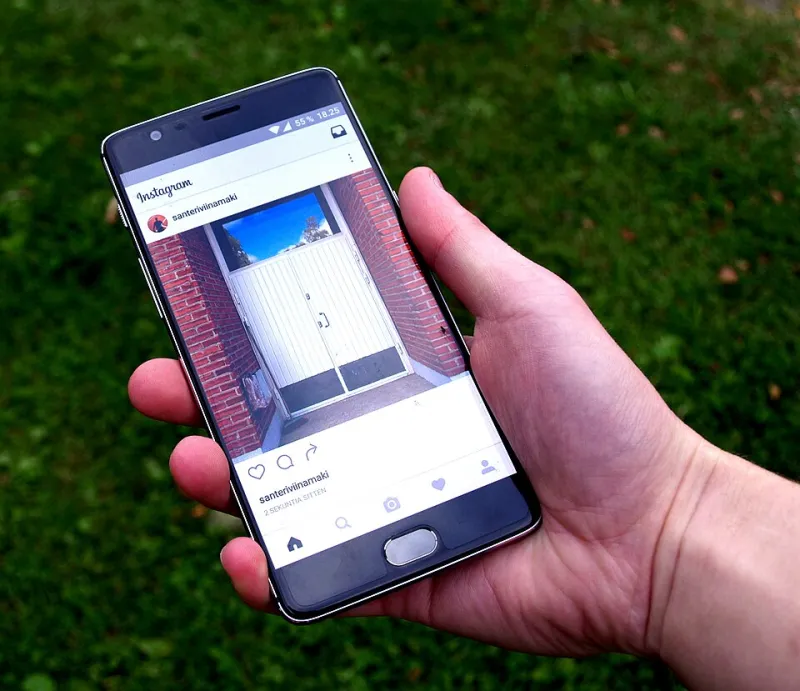
Photo: Santeri Viinamäki (both photo and screenshot), CC BY-SA 4.0, via Wikimedia Commons
There is a folder on your phone called Screenshots. You have not opened it on purpose in years. It is 14,000 items deep. Somewhere in there is a text from an ex, a receipt from a purchase you disputed, a meme you meant to send to someone who has since changed their number, and a screenshot of a screenshot of a conversation that mattered for about forty minutes in 2019.
You are not alone. Open the photos app of almost any American adult and you will find the same thing: a shadow archive, growing quietly, full of things we saved because we thought we might need them. We are all running personal evidence lockers. Almost none of us have a plan for the lockers.
The camera roll became a filing cabinet
The screenshots album is the most honest part of a phone. Camera rolls are curated; screenshots are not. They are the debris of daily life: delivery confirmations, boarding passes, Instagram posts we wanted to remember, tweets we wanted to quote, texts we wanted to win. There are screenshots of group chats, screenshots of DMs, screenshots of Notes app apologies, screenshots of bank balances, screenshots of other people's screenshots.
We do not organize them. We do not delete them. We accumulate. The phone sends a storage warning, and we swipe it away like a fly. The folder is not a project. It is a sediment.
The receipt economy
Why do we screenshot? Because the internet is slippery. Tweets get deleted. Stories vanish in twenty-four hours. Messages disappear if the sender has the right settings. A caption gets edited and suddenly the joke does not make sense. A screenshot is a small act of self-defense. It is proof that something was said, that a price was quoted, that a person agreed.
There is a social layer too. Sending a screenshot is a gesture. It says: look at this, this is ours, this happened. In group chats, screenshots are currency. They are how we gossip, how we bond, how we build a case. The screenshot is not just a record. It is a move.
What archivists see
Archivists have a word for this: mess. A screenshot is a terrible archive. It strips the metadata that gives a document its context — who, when, where, on what device, in what conversation. It crops the world down to a rectangle. It compresses the image and calls it a copy.
A screenshot of a text is not the text. It is a picture of a picture of a conversation, often taken at an angle, often with a battery icon in the corner. If you needed to prove something in a hearing, a screenshot would be the first thing opposing counsel attacked. We are building evidence lockers that would not survive a hearing.
The phone is a single point of failure
The locker lives in one place: the phone, or the cloud account tied to it. Most people do not know how to export their screenshots in any meaningful way. They do not have legacy contacts set up. They do not know what happens to their iCloud account if they die. The locker is one drop, one dead battery, one forgotten password away from gone.
And unlike a shoebox of letters, it was never meant to be opened. It was meant to be kept. The keeping was the point.
The psychology of the unopened folder
Researchers who study digital hoarding describe a familiar loop: keeping feels like control, deleting feels like loss. The screenshot promises a future moment when you will sit down and sort through it, when the receipts will matter, when the memories will be useful. That moment rarely comes. The folder is not memory. It is a deferred decision.
The strange part is that we do revisit it, just not in the way we planned. We scroll past it in the photos app. We see a thumbnail and feel a quick pang. We do not open it. The pang is enough.
A modest proposal: let some of it go
There is no clean solution. You can export, you can name folders, you can delete the duplicates. Or you can accept that some screenshots are meant to be ephemeral, like the conversations they came from. The screenshot was never the moment. It was a note that said remember this. You can throw away the note.