Crying on Cue: How the Creator Meltdown Became a Carefully Managed Content Event
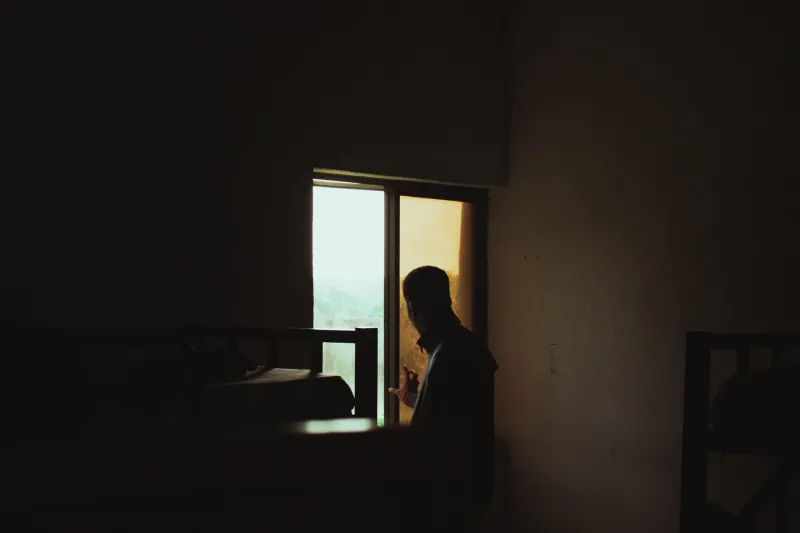
There's a specific kind of video you've probably seen more times than you can count. Soft lighting. No intro music. The creator looks tired — deliberately, carefully tired. They take a breath, stare slightly off-camera for a beat too long, and then they start talking. About how hard things have been. About the pressure. About the mistakes they made and the person they're becoming.
You feel something watching it. That's the point.
What used to look like a person cracking under public pressure has quietly become one of the most reliable content formats on the internet. The meltdown. The confession. The apology. The comeback. They follow each other in sequence now, like seasons, like album rollouts. And somewhere between genuine human suffering and calculated narrative engineering, the line disappeared so completely that nobody — not even the creators themselves — seems totally sure which side they're on.
The Arc Has a Name
People who work in creator management don't call it a breakdown. They call it a narrative reset. A visibility event. A re-engagement moment. The language is telling.
When a creator's numbers plateau, when a controversy won't die, when the algorithm stops serving their content with the same enthusiasm it once did — vulnerability becomes a lever. Not because these people are necessarily faking their pain, but because the infrastructure around them has learned to recognize emotional confession as a traffic driver and build schedules around it accordingly.
Crisis PR firms that once worked exclusively with Hollywood studios and politicians now have entire divisions dedicated to YouTubers, TikTokers, and Twitch streamers. They advise on timing — when to post, how long to wait after a controversy before the apology drops, what platform to use for maximum sincerity optics. YouTube gets the long tearful video. Instagram gets the quiet follow-up story. Twitter gets the vague cryptic post that makes people ask if you're okay.
Each platform has its own emotional register. The teams know this. They plan for it.
Authenticity as Aesthetic
Here's where it gets genuinely strange. The most effective vulnerability content doesn't look produced. It looks raw. Unfiltered. Like the creator just grabbed their phone and started talking because they couldn't hold it in anymore.
Achieving that aesthetic takes work.
Lighting has to feel accidental while being deliberate. The setting — usually a bedroom, sometimes a car — signals intimacy and privacy even when a team of people helped select it. The pacing of speech has to feel like someone struggling to find words, not someone who rehearsed finding words. There's a whole grammar of performed authenticity that audiences have absorbed without realizing it, and creators — or the people advising them — have absorbed it too.
The result is a kind of double-layered performance where the act of not performing becomes the performance. It's dizzying if you sit with it long enough.
And audiences are sitting with it. The comment sections on these videos are almost always flooded with support, with people sharing their own struggles, with the kind of communal emotional processing that feels genuinely meaningful. That part isn't fake. The community response is real. Which is part of what makes the whole thing so complicated to untangle.
The Redemption Calendar
If you pay attention long enough, you start to notice the timing.
The apology video rarely drops immediately after a scandal. It drops when the initial outrage has peaked and started to cool — when the audience is primed to forgive but hasn't fully moved on yet. The comeback content starts appearing roughly six to eight weeks later. A new project gets announced. A collaboration with someone who signals credibility or goodwill. Merch drops. The algorithm rewards the return of engagement, and the creator's metrics climb back toward where they were, sometimes higher.
This isn't a conspiracy. It's a formula that emerged organically because it works, and once it worked, people reverse-engineered it and started applying it intentionally. The infrastructure grew around the pattern. Now the pattern is the product.
Some creators are entirely aware of this and feel genuinely conflicted about it. Others have absorbed it so completely that they can't distinguish between what they actually feel and what the content cycle requires them to feel. That psychological ambiguity might be the most unsettling part of the whole thing.
What Real Looks Like Now
Occasionally something actually breaks through. A creator who genuinely wasn't prepared, who posts something in a moment of actual crisis before anyone can manage it, who says something unscripted and raw in a way that doesn't follow the grammar of performed vulnerability.
Audiences usually sense it. The energy is different. The comments shift. There's less reassurance and more alarm. People start asking each other in the replies whether someone is actually okay, not as a content ritual but as a real question.
Those moments are becoming rarer. Not because creators are becoming less human, but because the space around them has become so professionalized that genuine unmediated emotion rarely makes it to the upload stage without someone intervening first.
And when it does? It often gets reframed retroactively. Managed after the fact. Folded into a narrative that makes it legible, purposeful, redemptive. The machine is good at absorbing the unexpected.
Does It Matter If It's Real?
This is the question that doesn't have a clean answer.
If a creator's carefully timed apology video genuinely helps people in the audience feel less alone in their own struggles, does the orchestration behind it invalidate that effect? If the emotional arc is manufactured but the emotional response is real, what exactly has been faked?
There's a case to be made that all public emotional expression is performative to some degree — that the act of choosing to share something transforms it into performance regardless of intent. Therapy culture, confessional media, reality television — Americans have been trained for decades to process emotion publicly and to consume other people's processed emotion as entertainment.
Creator culture didn't invent this. It just industrialized it.
What's new is the scale, the speed, and the precision of the feedback loop. The apology video gets uploaded and within hours, the creator's team knows exactly which moments landed, which lines drove the most comments, how long viewers stayed before clicking away. That data shapes the next piece of vulnerability content. And the one after that.
The Audience That Knows and Watches Anyway
Here's the thing about all of this: most people watching aren't entirely naive. There's a widespread, low-grade awareness that creator confessions are often managed events. People joke about it. They make memes about the apology video format. They clock the soft lighting and the off-camera gaze and roll their eyes a little.
And then they watch anyway. They comment anyway. They feel things anyway.
That's not stupidity. That's something more interesting — a willingness to engage with emotional content even when you suspect it's been engineered, because the feeling it produces is real enough to be worth having. The suspension of disbelief isn't total. It's chosen.
Which means the question isn't really whether creator breakdowns are authentic or manufactured. It's what it says about attention, loneliness, and connection in America right now that the distinction matters less and less — and that the machinery building these moments understands that better than most of us want to admit.